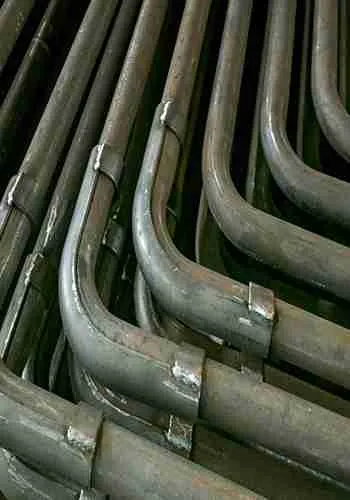
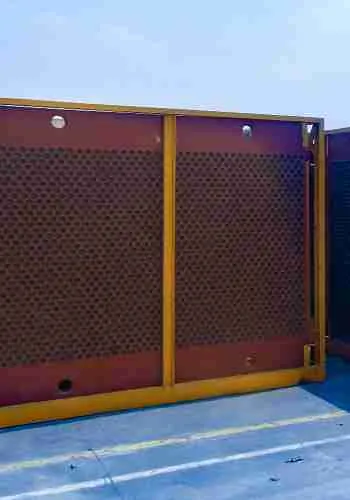
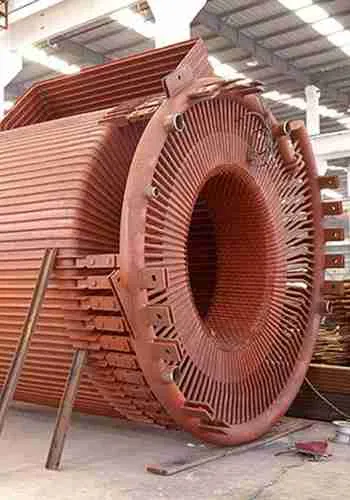
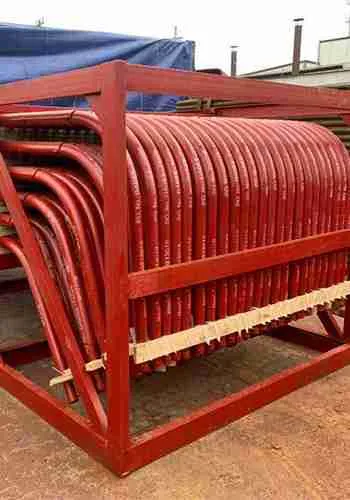
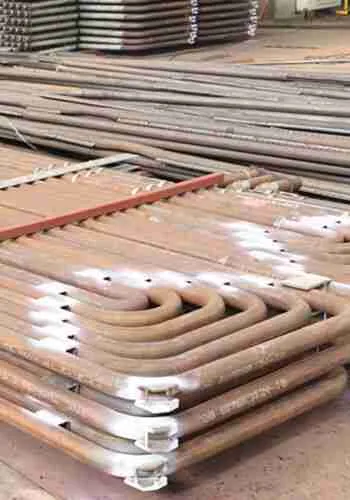
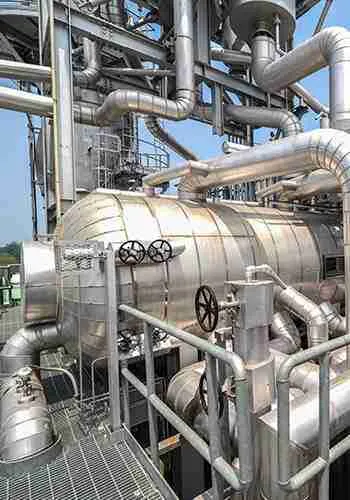
Water walls, superheaters and economizers are the three core heating surfaces of a boiler, which generally follow the counter-flow heat exchange principle: flue gas flows downward while steam and water flow upward. The operating conditions of the three components are mutually coupled and restricted. Any change in the operating condition of one heating surface will trigger chain reactions in the other two through the transfer of flue gas, steam and water parameters. This is defined as the coupling effect of boiler heating surfaces, serving as the fundamental basis for boiler operation adjustment and fault analysis.
I. Basic Layout and Operating Logic (Prerequisites for Coupling)
1. Flue Gas Flow Path (Heat Transfer)
High-temperature flue gas from the furnace first washes the water walls and releases massive radiant heat, resulting in a sharp temperature drop. The flue gas then enters the horizontal flue and washes the superheater to complete convective heat exchange. Finally, low-temperature flue gas flows through the tail economizer to preheat feed water before being discharged out of the boiler. The three heating surfaces share flue gas heat in sequence, with the total heat exchange volume basically conserved; the heat absorption of each component rises and falls inversely.
2. Steam-Water Flow Path (Working Medium Circulation)
Low-temperature feed water is first preheated and warmed in the economizer before being delivered to the steam drum. The feed water flows down through downcomers into the furnace water walls, absorbs radiant heat and vaporizes into saturated steam, then flows back to the steam drum for steam-water separation. Saturated steam is sent to the superheater, where it absorbs flue gas heat and heats up to qualified superheated steam, which is then conveyed to the steam turbine for power generation.
II. Core Coupling Effects on the Flue Gas Side
Flue gas temperature and flow rate act as the core coupling links. The operating condition of the upstream heating surface directly determines the heat exchange conditions of downstream equipment.
1. Chain Impacts of Variations in Water Wall Operating Conditions
Water walls rely mainly on radiant heat exchange and serve as the primary heat-absorbing equipment in the furnace, exerting the most critical influence. When water walls are clean with sound heat exchange performance, furnace heat is fully absorbed, lowering the flue gas temperature at the furnace outlet. This directly reduces the heat absorbed by the superheater and leads to low steam temperature; meanwhile, the economizer bears insufficient heat exchange load and the feed water temperature drops.
On the contrary, if water walls are covered with slag and ash with deteriorated heat exchange, furnace heat cannot be fully absorbed, and abundant residual heat moves downstream with flue gas. This will cause superheater overtemperature, a sharp rise in the economizer’s heat exchange load and increased exhaust gas temperature, which may easily trigger failures such as superheater tube rupture, economizer vaporization and reduced boiler thermal efficiency.
2. Chain Impacts of Variations in Superheater Operating Conditions
As an intermediate convective heating surface, the superheater bridges the heat exchange conditions of upstream and downstream equipment. If the superheater is fouled with ash and its heat exchange performance degrades, flue gas heat cannot be effectively absorbed. Residual heat flowing downstream will push the inlet flue gas temperature of the economizer beyond the standard range, likely causing premature vaporization of feed water in the economizer, pipeline vibration and abrasion. Meanwhile, the main steam temperature declines and unit output is restricted. If operators increase fuel supply to raise steam temperature, the furnace flue gas temperature will further climb, aggravating the heat exchange load of water walls and forming a vicious cycle.
3. Chain Impacts of Variations in Economizer Operating Conditions
As a low-temperature tail heating surface, the economizer mainly affects feed water temperature and exhaust heat loss. When the economizer is blocked by ash and loses heat exchange capacity, feed water is inadequately preheated with increased subcooling. The water walls need to absorb more furnace heat to complete vaporization, pushing up the furnace flue gas temperature and ultimately resulting in superheater overtemperature. If the economizer has excessive heat exchange capacity and carries steam in its outlet water, the inflow condition of the steam drum will be disturbed, breaking the natural circulation of water walls and causing uneven flow distribution as well as localized deteriorated heat exchange.
III. Thermal Coupling Effects on the Steam-Water Side
The three heating surfaces form a closed-loop system via steam and water working medium. Changes in the flow rate, temperature and enthalpy of the working medium are transferred sequentially, breaking the heat exchange balance.
1. Impacts of the Economizer on Water Walls and Superheaters
The outlet water temperature of the economizer determines the initial inlet state of water walls. A higher outlet water temperature means lower feed water subcooling and reduced vaporization load for water walls, which lowers the furnace outlet flue gas temperature and correspondingly cuts down the heat absorption and steam temperature of the superheater. In contrast, a low outlet water temperature intensifies the heat exchange pressure on water walls, elevates the furnace flue gas temperature and leads to excessively high superheater steam temperature.
2. Impacts of Water Walls on Superheaters
Water walls are the sole source of saturated steam, and their evaporation capacity directly decides the steam flow passing through the superheater. When water walls operate with sound heat exchange and sufficient evaporation capacity, steam can share flue gas heat, keeping the superheated steam temperature stable and relatively low. If water walls suffer degraded heat exchange and reduced evaporation capacity, a small volume of steam will absorb a fixed amount of flue gas heat, causing a sharp surge in steam temperature — this is the primary cause of overtemperature under low load and furnace slagging conditions.
3. Reverse Coupling Impacts of the Superheater
Superheater spray water is extracted from the economizer outlet, serving as the primary temperature regulation method. Increased spray water flow can reduce main steam temperature, yet it cuts down the inflow volume of the steam drum, resulting in insufficient circulating water volume and low flow velocity in water walls, which may easily trigger localized overheating. In addition, it slightly disturbs the heat exchange stability of the economizer.
IV. Dynamic Coupling Rules under Variable Loads
1. Unit Load Rise
Increased fuel supply raises furnace heat load and enhances heat exchange of water walls, driving a sharp growth in evaporation capacity. The furnace outlet flue gas temperature and flue gas flow velocity rise simultaneously, intensifying superheater heat exchange and rapidly lifting steam temperature; the heat absorption of the economizer and feed water temperature also rise synchronously. The elevated feed water temperature eases the heat exchange pressure on water walls, forming a self-balancing mechanism to restrain abnormal parameter fluctuations.
2. Unit Load Drop
Reduced fuel supply lowers furnace heat load and the evaporation capacity of water walls, bringing down the furnace outlet flue gas temperature. The superheater faces insufficient heat source with drastically decreased heat exchange, leading to low main steam temperature. Meanwhile, weakened heat exchange of the economizer reduces feed water temperature, further raising the difficulty of vaporization for water walls and worsening the low steam temperature issue. Combustion adjustment and baffle regulation are required to correct such deviations.
V. Summary of Core Coupling Characteristics
1. Water Wall: The core of coupling, dominating furnace flue gas temperature and steam output, and determining the basic heat exchange conditions of superheaters and economizers.
2. Superheater: The intermediate hub, bearing the heat exchange results of the furnace, transferring residual flue gas heat, and reversely affecting steam-water circulation through steam temperature regulation.
3. Economizer: The terminal regulating component, exerting feedback impacts on upstream equipment via feed water temperature and determining boiler thermal efficiency as well as water circulation stability.
4. The three components always follow the logic of sequential flue gas parameter variation and closed-loop steam-water feedback. All load disturbances, equipment faults and parameter deviations will generate chain reactions, which constitute the core basis for boiler operation optimization and fault disposal.