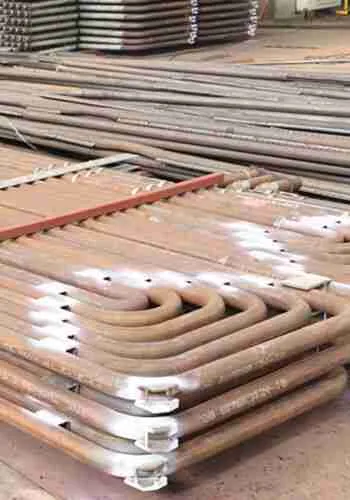
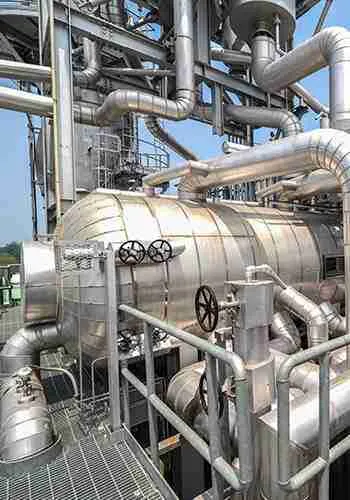
The superheater is a core heat-absorbing component of boilers. It converts saturated steam into high-temperature superheated steam. Its operating condition directly affects boiler efficiency, steam quality and unit safety. Subject to long-term high temperature, high pressure and scouring by dust-laden flue gas, the superheater is prone to failures such as ash fouling and coking, pipe wall abrasion and corrosion, tube swelling and deformation, weld cracking and leakage. Proper routine maintenance and periodic overhaul can effectively prevent equipment defects, extend service life and guarantee stable unit operation.
I. Daily Operational Maintenance
Daily maintenance focuses on real-time monitoring, regular inspection and preventive protection to timely rectify minor hidden dangers and avoid defect escalation.
(1) Monitoring of Operating Parameters
Operating parameters of the superheater shall be strictly controlled to prevent over temperature, over pressure and abrupt load fluctuations. Steam temperature and pressure shall be stabilized within rated ranges. Long-term overtemperature operation is prohibited to avoid high-temperature creep and material aging of tube walls. Load ramping shall be performed smoothly to prevent thermal stress induced by drastic temperature swings, which may damage tubes and welded joints. Furnace flue gas temperature and temperature deviation between superheater inlet and outlet flue gas shall be tracked continuously. Combustion shall be adjusted promptly to eliminate local high-temperature coking and uneven flue gas flow causing directional tube scouring. The attemperator shall be kept in good working order with reliable atomization and flexible valve movement to avert violent steam temperature fluctuations and excessive temperature differences across tube walls.
(2) Routine Equipment Patrol Inspection
Comprehensive scheduled inspections shall be carried out:
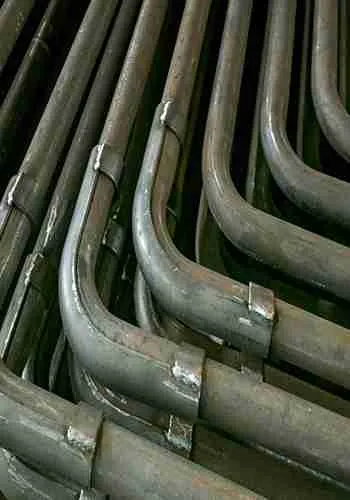
Visual inspection: Check tube banks, elbows, welded joints and headers for leakage, bulging, deformation and steam seepage. Ensure neat arrangement of tube rows without dislocation or protrusion.
Fittings inspection: Confirm hangers, pipe clamps are intact and fastened free of looseness, falling off or deformation. Check wear shields, guard plates and flow deflectors in critical zones for abrasion, turnover and missing components. Pay close attention to flue gas corridors and windward sides of elbows vulnerable to erosion.
Sealing inspection: Verify tight sealing at furnace roof and tube penetration points with no flue gas leakage, air infiltration or ash accumulation, so as to block local low-temperature corrosion.
(3) Removal of Ash Fouling and Coking
External tube ash fouling and coking degrade heat transfer efficiency, trigger local overtemperature and accelerate abrasion and corrosion. Steam soot blowers or acoustic soot blowers shall be activated periodically according to boiler load and coal properties. Soot-blowing pressure and angle shall comply with specifications to avoid tube damage. Stubborn coking shall be manually removed during boiler shutdown to guarantee unobstructed flue gas passages and uniform heat exchange.
(4) Maintenance of Auxiliary Systems
Temperature gauges, pressure transmitters, thermoplastic and other monitoring instruments shall be calibrated regularly to ensure accurate readings. Inspect drain valves, vent valves, safety valves and other auxiliary valves for flexible operation, tight sealing and absence of jamming or internal leakage. Drainage pipelines shall be dredged routinely to prevent water hammer and alternating hot-cold corrosion caused by retained water inside pipes.
II. Periodic Shutdown Overhaul
Full-scale maintenance shall be conducted during scheduled minor, intermediate and major outages to identify and resolve hidden faults and restore equipment performance.
(1) Complete Ash and Coke Removal
After sufficient equipment cooling, thoroughly clean ash and coke deposits on outer surfaces of superheater tube banks, inter-tube gaps and leeward sides of elbows via manual work, mechanical cleaning and high-pressure water jetting. Open header hand holes to eliminate internal salt scale, rust and debris, preventing tube blockage, abnormal local overtemperature and tube rupture induced by poor heat transfer. Confirm flue gas channels are completely clear of residual foreign matter.
(2) Special Inspection for Tube Wall Defects
Targeted inspections shall be implemented on areas susceptible to abrasion, corrosion and deformation:
Use thickness gauges and calipers to measure tube wall thickness. Compare measured values with original design data to assess abrasion severity and label tubes exceeding wear limits.
Measure outer tube diameters to evaluate swelling deformation. Replace severely swollen/deformed tubes immediately; slightly deformed tubes shall be corrected and reset.
Conduct non-destructive testing (NDT) on welded joints, elbows and stress-concentrated areas to detect latent defects including cracks and laminations.
(3) Overhaul of Fixing and Anti-abrasion Components
Fully inspect hangers, pipe clamps and limiting devices. Tighten, calibrate or replace loose, deformed and damaged parts to ensure uniform stress distribution across tube banks. Repair or replace failed wear shields and guard plates; install additional protective structures in high-risk areas such as flue gas corridors to mitigate flue gas erosion. Check header supports and tube thermal expansion clearances to guarantee free thermal expansion without jamming or rigid restraint, thus avoiding mechanical stress damage.
(4) Overhaul of Sealing and Pipelines
Repair damaged sealing layers on furnace roof, tube penetrations and furnace walls to stop flue gas and air leakage. Inspect all pipeline welds and connections; perform repair welding on locations with risks of cracks, porosity and seepage. Dredge drain and vent lines, replace aged valves and sealing gaskets to ensure intact and unobstructed piping systems.
(5)Acceptance via Hydro Test
After tube replacement, repair welding and major overhaul, hydrostatic testing shall be executed per relevant codes. Raise pressure to 1.25 times the rated pressure and hold steady. The test is deemed qualified only if no leakage, deformation or abnormal pressure drop occurs on tubes, welds, headers and valves, permitting subsequent commissioning.
III. Common Faults and Remedies
(1) Tube Wall Abrasion and Leakage
Causes: High dust content in flue gas, scouring from flue gas corridors, failed anti-abrasion components, uneven tube spacing. Solutions: Install wear shields or apply wear-resistant coatings on mildly abraded tubes; immediately replace tubes with excessive abrasion or perforation. Meanwhile, restore flow deflectors, adjust tube row spacing and eliminate flue gas corridors.
(2) Excessive Tube Swelling and Over temperature
Causes: Long-term over temperature operation, deteriorated heat transfer from ash fouling/coking, high-temperature creep of pipe material. Solutions: Establish tracking files and increase inspection frequency for slightly swollen tubes; fully replace tubes with excessive swelling or severe aging. Optimize combustion and soot-blowing regimes to eliminate local fouling-induced overtemperature.
(3) Low-temperature Corrosion and Internal Tube Scaling
Causes: Low-temperature corrosion triggered by sulfide in flue gas, salt precipitation due to poor steam quality, dew formation and water accumulation on tube walls. Solutions: Perform periodic chemical cleaning for descaling and upgrade water treatment to improve steam quality. Repair sealing to reduce air ingress and avoid dew condensation. Replace headers and tube walls with excessive corrosion.
(4) Tube Deformation and Sagging
Causes: Failed hangers, restricted thermal expansion, thermal stress from rapid temperature/pressure swings during boiler startup and shutdown. Solutions: Correct slightly deformed tubes, replace faulty hangers and adjust expansion clearances. Strictly follow temperature-pressure ramping curves for boiler startup and shutdown to mitigate thermal fatigue damage from frequent hot-cold cycling.
IV. Safety Precautions for Maintenance
1.All maintenance work shall commence only after boiler shutdown, pressure relief, full cooling and ventilation purging. Lockout-ta gout procedures for power isolation must be strictly enforced. No hot, pressurized or live-line work is allowed.
2.Furnace internal operations require adequate ventilation, dust control and fire prevention with dedicated on-site supervision. Comply with standardized safety protocols for high-altitude work and hot work.
3.Tube welding and post-weld heat treatment shall fully comply with process specifications. NDT inspection is mandatory after welding to eliminate hidden risks at welded joints.
4.Compile complete records including thickness measurement, swelling inspection, defect rectification and pressure testing. Build equipment maintenance ledgers to track material aging trends.
5.Over temperature, over pressure and overloaded operation are prohibited during service. Smooth unit startup and shutdown shall be maintained to reduce thermal fatigue damage.
V. Maintenance Summary
Superheater maintenance adheres to the principle of prevention priority integrated with treatment. Potential hazards are eliminated in advance through routine parameter management, regular inspection and ash cleaning. Scheduled shutdown overhaul and hydro testing thoroughly eradicate equipment defects, with targeted solutions addressing abrasion, over temperature, corrosion, deformation and other recurring issues. Standardized maintenance ensures stable heat transfer performance of superheaters, prevents tube rupture, leakage and unplanned outages, and supports safe, stable and high-efficiency operation of boiler units.