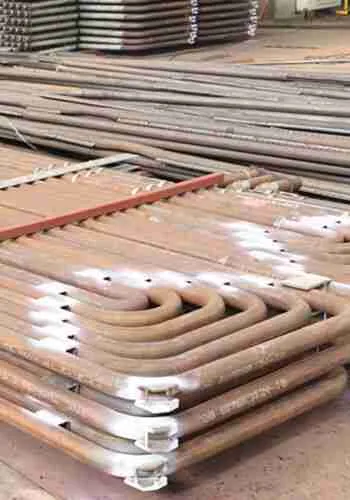
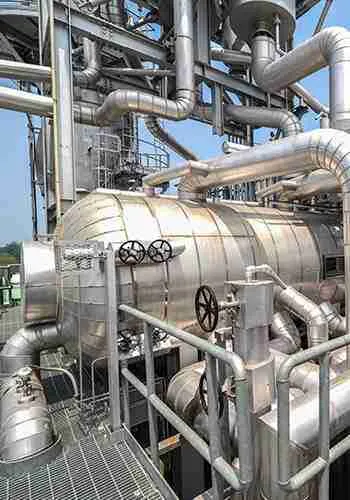
As a critical component of boiler systems, the performance of water wall panels directly impacts thermal efficiency and operational safety. DHB Boilers has dedicated over 20 years to the R&D and manufacturing of water wall panels, offering tailored solutions for both bare-tube and membrane-type water wall panels. Our services cover a wide range of applications, including power plant boilers, industrial boilers, and waste heat recovery systems. With ISO 9001 certification, we export to over 30 countries, leveraging high-conductivity materials, precision welding techniques, and modular designs to help clients reduce energy costs.
The Importance of Water Wall Panels
Water wall panels serve as the primary heat exchange components in boilers, primarily designed to cool the furnace and prevent high-temperature damage. Although initially intended for cooling, their exceptional heat transfer capabilities have made them the primary heating surfaces in modern boilers, even replacing steam drums in some systems. Installed along the furnace chamber walls, water wall panels consist of numerous parallel tubes that absorb radiant heat from high-temperature flames or flue gas. This heat converts water into steam or hot water within the tubes, reducing wall temperatures and protecting the furnace structure.
In large-capacity boilers, where flame temperatures are extremely high, water wall panels can absorb up to 40–50% or more of the total heat generated. Modern tube-type boilers widely utilize water wall panels as the core evaporation heating surfaces, especially in large-scale applications where they are indispensable.
Types of Water Wall Panels
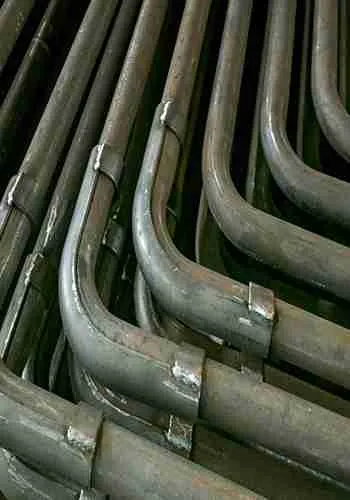
1. Bare-Tube Water Wall Panels
- Structure: Composed of seamless steel tubes arranged vertically along the furnace walls, connected to upper drums/headers and lower headers.
- Advantages: Simple manufacturing and installation.
- Disadvantages: Limited furnace protection; potential air leakage if sealing is inadequate.
- Application: Historically common due to welding limitations; still used in small industrial boilers for cost efficiency.
- Design Considerations: Tube spacing affects heat absorption and metal utilization. Closer spacing enhances heat absorption and wall protection but reduces material efficiency. Requires steel framing to prevent tube deformation.
2. Membrane Water Wall Panels
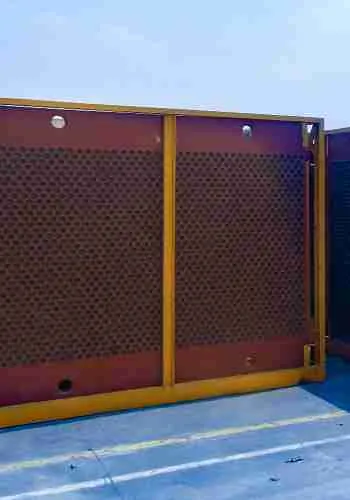
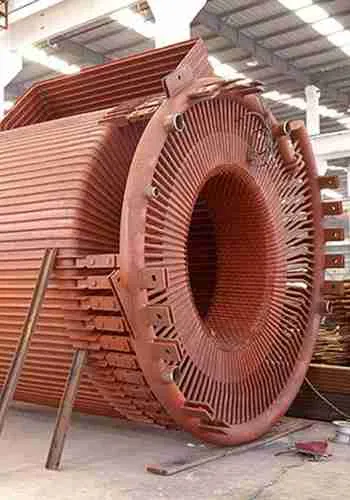
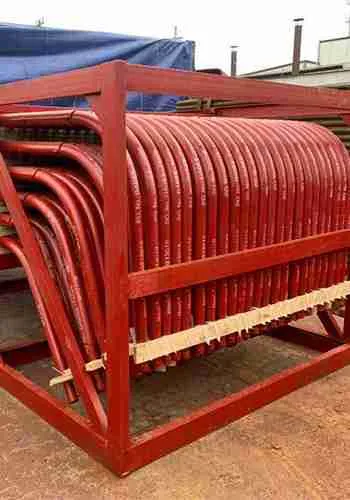
- Structure: Formed by welding flat steel or rolled finned tubes between adjacent pipes, creating a sealed membrane.
- Advantages:
- Superior furnace protection, reducing wall thickness and weight.
- Minimal air leakage, rapid furnace heating/cooling, and shorter startup/shutdown cycles.
- Pre-assembled modular units ensure faster installation and consistent quality.
- Disadvantages: Complex manufacturing; strict design requirements (e.g., ≤50°C temperature difference between adjacent tubes).
- Application: Dominates large-capacity boilers for its efficiency and structural benefits.
- Design Notes: Requires flexible expansion joints and airtight seals at inspection ports or penetrations.
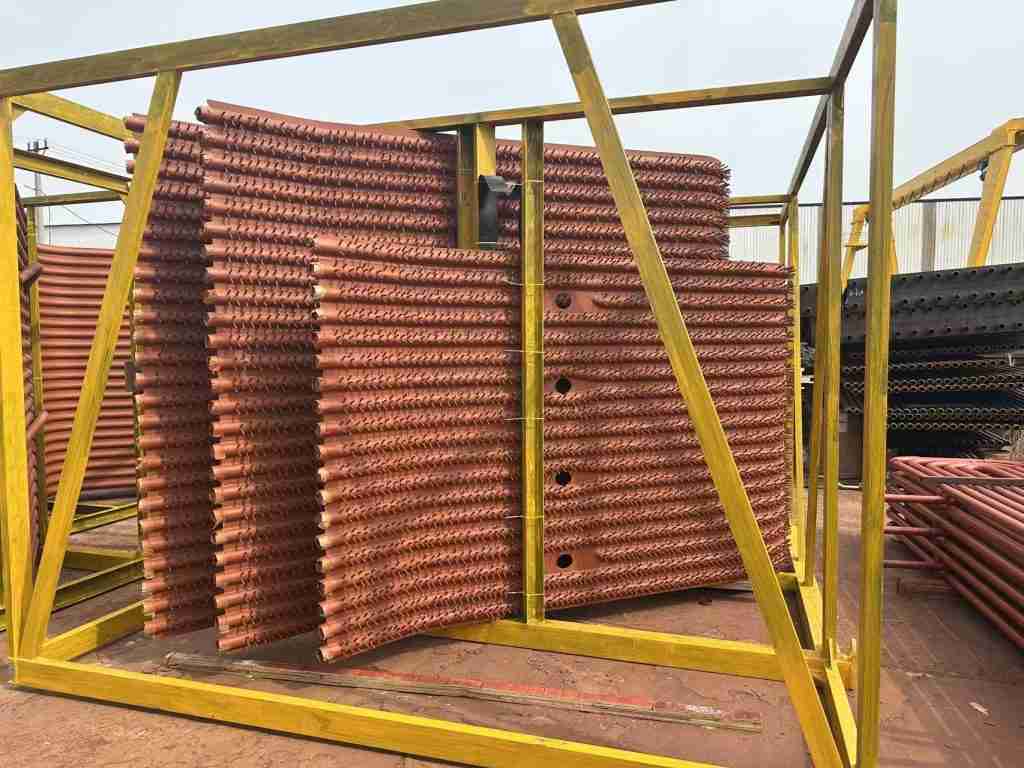
Material Selection for Water Wall Panels
Water wall panels are typically fabricated from international standard carbon or alloy steels such as ASTM A210C/SA213T11, withstanding temperatures up to 600°C. For boilers operating above 14 MPa, alloy steels are prioritized.
- Tube Dimensions:
- Natural circulation boilers: 51–83 mm outer diameter.
- Forced circulation/direct-flow boilers: 22–60 mm outer diameter.
- Innovations: Direct-flow boilers may use horizontal or helical tube layouts. To mitigate heat transfer issues in high-parameter environments, rifled tubes or turbulators are often integrated.
Why Choose DHB Boilers?
As a leading industrial water wall panel manufacturer, DHB Boilers delivers cost-effective, application-specific solutions. Our engineers design water wall panels tailored to your operational needs, supported by competitive pricing and timely delivery. We specialize in turnkey projects, helping clients achieve significant cost reductions and seamless plant startups.
DHB Boiler
Discover The Superior Quality And Cutting-Edge Technology Of DHB Boilers. Explore Our Range Of Biomass Boilers, Waste Heat Boilers, And More. Take Your Industrial Operations To New Heights With DHB Boiler.