The design where feedwater entering a boiler first passes through an economizer before entering the steam drum in boiler systems is the result of long-term practice optimizing energy utilization, equipment protection, and process efficiency. This process can be analyzed in detail from the following perspectives:
1. Working Principle and Structure of the Boiler Economizer: The Foundation for “Preheating Feedwater”
The boiler economizer is a key heating surface. Its core function is to utilize the waste heat from the low-temperature flue gas at the boiler’s tail end to heat the feedwater, making it a vital part of the “regenerative cycle.”
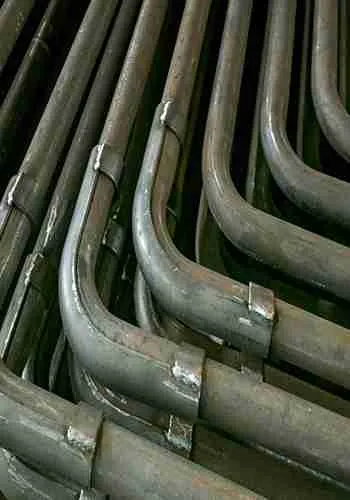
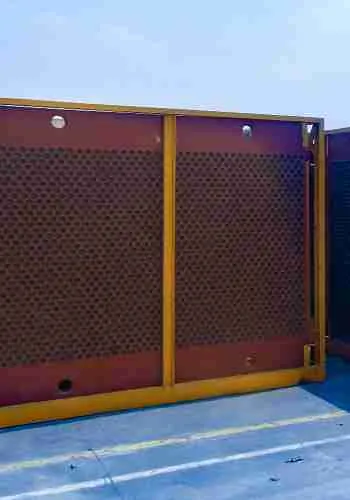
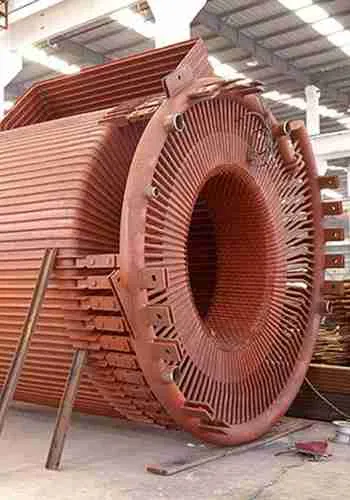
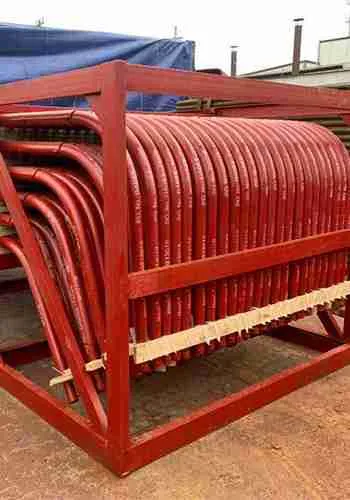
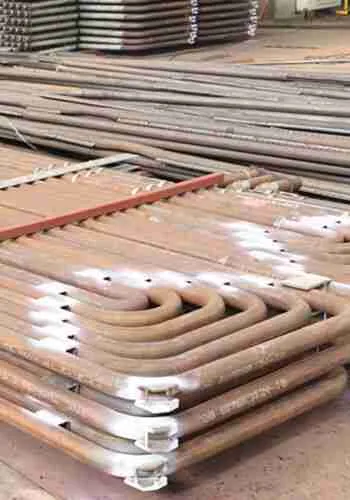
Structurally, an economizer typically consists of multiple rows of serpentine steel tubes (or finned tubes) densely arranged in the boiler’s rear pass (the gas duct where flue gas flows after passing through the furnace, superheater, and reheater, finally reaching the economizer and air preheater). The temperature of the flue gas in this rear pass is relatively low (generally 300-400°C, much lower than the 1000°C+ temperatures in the furnace) but still carries significant waste heat. Meanwhile, the feedwater (coming from the deaerator, typically at 100-150°C) flows through the serpentine tubes. It exchanges heat with the low-temperature flue gas, absorbing heat and increasing its temperature (often to near the saturation temperature inside the steam drum, e.g., rising to 250-300°C in high-pressure boilers).
The advantages of this design are: The serpentine tubes increase the heat transfer area. The temperature difference (approx. 100-200°C) between the low-temperature flue gas and the cool feedwater in the rear pass is ideal for efficient heat exchange. It also avoids overheating the economizer tubes, as their material has lower temperature resistance requirements than superheater tubes.
2. Economic Benefits: Reducing Energy Waste and Improving Boiler Efficiency
If feedwater entered the steam drum directly, it would cause two significant energy waste issues. The boiler economizer significantly improves economics by:
- Reducing Exhaust Gas Heat Loss: Exhaust gas heat loss (heat carried away by flue gas) is the largest source of heat loss in a boiler (approx. 5-10%). By absorbing waste heat from the tail-end flue gas, the economizer can lower the exhaust gas temperature by 50-100°C (e.g., from 350°C to 250°C), directly reducing this loss. Thermodynamic calculations show that for every 10°C reduction in exhaust gas temperature, boiler efficiency increases by about 0.5-1%, corresponding to reduced fuel consumption and significant long-term cost savings.
- Reducing the Heating Load on the Steam Drum: After preheating in the economizer, the feedwater enters the steam drum at a temperature close to the saturation temperature (e.g., rising from 150°C to 280°C). This drastically reduces the amount of heat required inside the drum to bring the water to a saturated state. This allows the water walls (the main heating components in the furnace) to use more heat for converting saturated water into steam, rather than heating cold water “from scratch,” improving targeted energy use.
Conversely, if feedwater entered the drum directly, the cold water would absorb saturated heat from within the drum (causing its temperature to drop). To maintain drum pressure and saturation temperature, more fuel would need to be burned to supplement the heat, significantly reducing economic efficiency.
3. Safety: Protecting the Steam Drum and Economizer, Avoiding Thermal Stress Damage
The steam drum is a thick-walled core component (wall thickness typically 100-300mm). Its safety is paramount for boiler operation, and the preheating role of the economizer is a key protective measure:
- Reducing Thermal Stress in the Steam Drum: The water inside the steam drum is in a saturated state. If low-temperature feedwater enters directly, it will create a significant temperature difference with the inner wall of the drum and the saturated water. This temperature difference generates severe thermal stress in the thick-walled vessel. Long-term and repeated exposure to such stress may lead to cracks on the inner wall of the steam drum or even explosion. In contrast, when the feedwater is preheated by the economizer, its temperature approaches the saturation temperature, significantly reducing thermal stress and extending the service life of the steam drum.
- Protecting the Economizer Itself: The economizer is located in the rear pass. During boiler startup when feedwater flow is low (or during shutdown), the low-temperature flue gas could still overheat and damage the economizer tubes. Therefore, economizers are usually equipped with a “recirculation line” (connecting the steam drum to the economizer inlet). If feedwater flow is insufficient, saturated water from the drum can recirculate back to the economizer. The vaporization of this water absorbs heat, cooling the tubes and preventing dry firing damage. Removing the economizer would also eliminate this protection mechanism.
4. Process Rationality: Aligning with the Principle of Energy Cascade Utilization
The design of flue gas and medium (steam, feedwater, air) flow in boiler systems follows the principles of “temperature matching” and “energy cascade utilization”:
- High-temperature flue gas (1000°C+ at furnace outlet) first heats high-temperature mediums (superheated steam, needing heat to rise from saturation to 400-500°C) via the superheater.
- Medium-temperature flue gas (500-600°C after superheater) heats medium-temperature mediums (reheat steam, or other high-temperature uses).
- Low-temperature flue gas (300-400°C in the rear pass) heats low-temperature mediums (feedwater, raising it from 100-150°C to near saturation temperature) – this is the task of the boiler economizer.
- Finally, the lower-temperature flue gas (200-300°C after economizer) heats even lower-temperature mediums (air, raising it from ambient to 200-300°C) via the air preheater to improve combustion efficiency.
If feedwater entered the steam drum directly, the cold water would need to absorb high-temperature flue gas heat within the drum/water walls (skipping preheating by the tail-end flue gas). This would waste energy quality (“high-temperature heat heating a low-temperature medium” increases irreversibility losses) and prevent the recovery of tail-end waste heat, violating process optimization logic.
In summary, routing feedwater through the boiler economizer before it enters the steam drum leverages the economizer’s waste heat recovery function to achieve optimal overall system performance in terms of economics, safety, and process rationality. It is an indispensable critical step in boiler design.