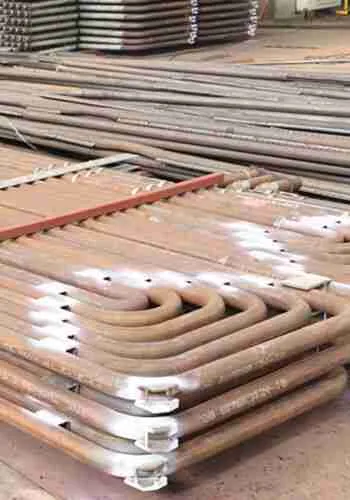
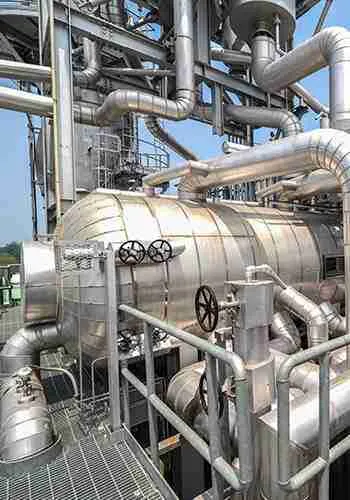
As global power generation systems move toward higher efficiency and higher operating temperatures, T91 steel has become a core material for modern boiler superheaters. This modified 9Cr-1Mo martensitic alloy offers excellent creep strength and oxidation resistance, making it ideal for demanding high-temperature, high-pressure boiler environments. However, its superior material properties can only be fully realized when welding, heat treatment, and process control are executed with precision. This is why choosing a technically capable boiler superheater supplier or a qualified T91 superheater manufacturer is critical for long-term reliability.
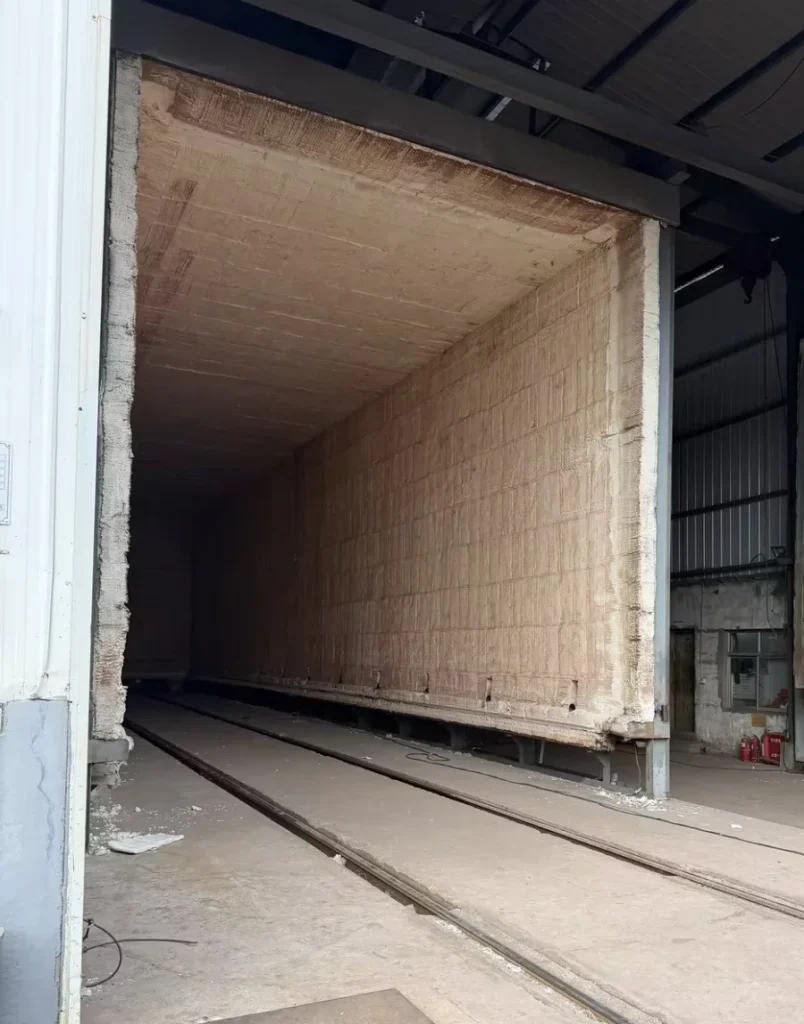
DHB Boiler has engineered its production system specifically for advanced alloy components. Our heat-treatment furnace measures 25 meters long, 5.5 meters wide, and 5.5 meters high, allowing full-length T91 superheaters to undergo uniform post-weld heat treatment. Our welding quality management system is certified to ISO 3834-2, ensuring that every T91 weld meets strict international standards. Combined with a complete in-house inspection team, we deliver superheaters that meet the technical expectations of global energy clients.
Why T91 Steel Sets the Benchmark for Modern Boiler Superheaters
T91 steel derives its strength from a tempered martensitic microstructure reinforced by fine carbide and carbonitride precipitates. These particles anchor dislocations and delay creep deformation at high temperatures, making T91 a preferred choice for superheaters and reheaters in advanced power stations. However, the same microstructural features that provide high-temperature performance also make the material extremely sensitive to improper welding or unstable heat-treatment cycles. Even small deviations in temperature, cooling rate, or filler chemistry can weaken the joint and severely reduce service life.
These challenges highlight the importance of working with a specialized boiler superheater supplier capable of protecting metallurgical integrity throughout the manufacturing cycle.
Precision Welding: The Core Competence of a Qualified T91 Superheater Manufacturer
For T91 steel, welding is not merely a joining operation—it is the controlled reconstruction of the alloy’s microstructure. DHB Boiler’s welding workflow follows strict metallurgical principles to ensure stable, long-term performance.
Preheating between 200°C and 300°C minimizes the formation of brittle, untempered martensite and reduces hydrogen-induced cracking risk. Maintaining interpass temperature within a narrow, controlled range helps avoid repetitive quenching cycles and prevents excessive grain coarsening. Filler metals such as ER90S-B9 are selected to match the chromium-molybdenum alloy system of T91, ensuring chemical consistency between the weld metal and the parent material.
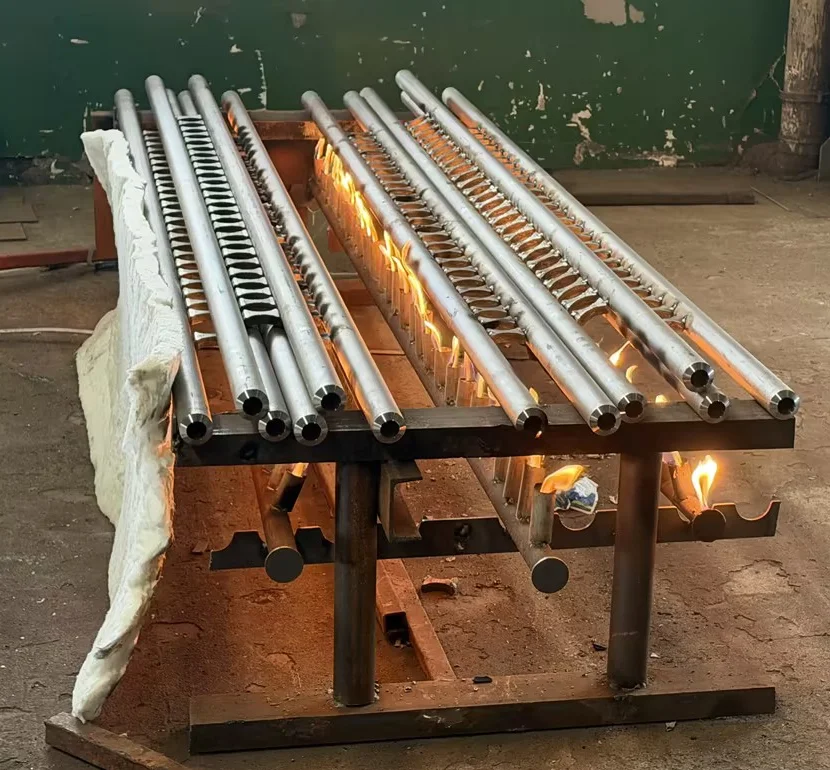
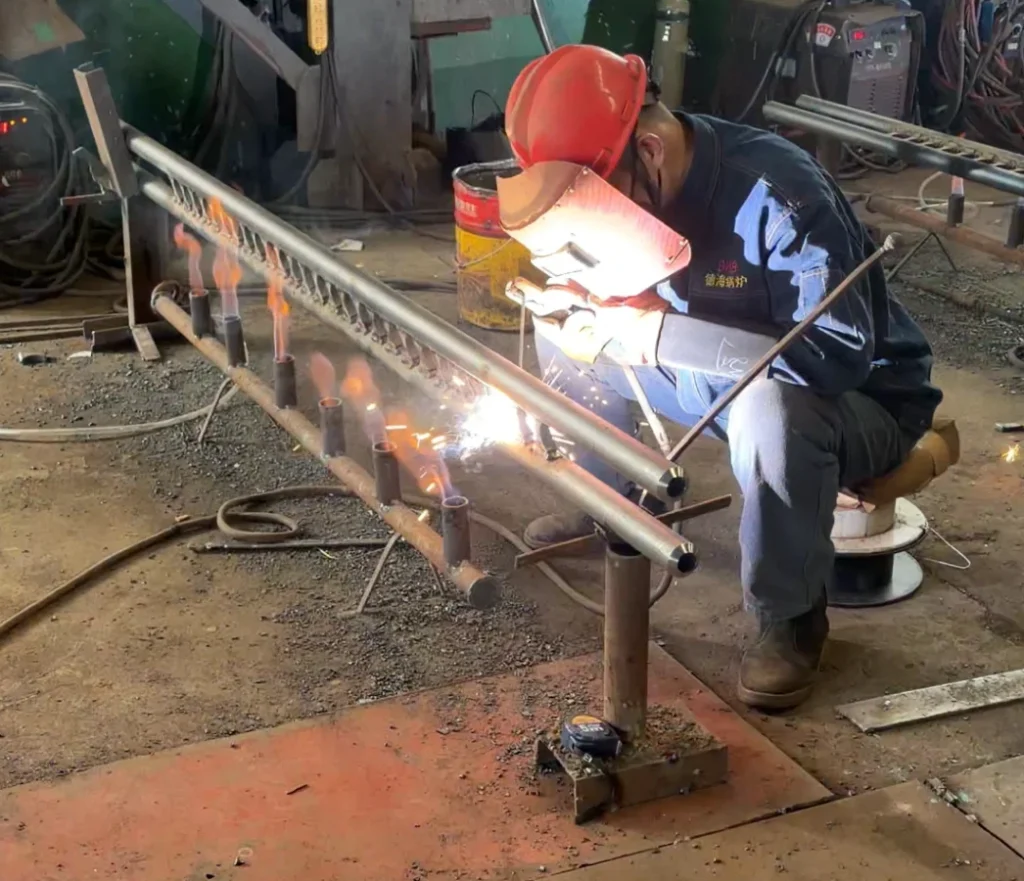
After welding, post-weld heat treatment at 760°C ±10°C plays a decisive role in transforming the as-welded martensite into strong, stable tempered martensite. In our 25-meter heat-treatment furnace, each T91 superheater assembly receives a fully controlled thermal cycle, producing a uniform microstructure reinforced by fine carbide precipitation. This process eliminates residual stress and ensures long-term creep resistance in high-temperature boiler applications.
Operational Stability: Protecting the Integrity of T91 Boiler Superheaters
Even with precise fabrication, the long-term stability of T91 depends heavily on temperature management during operation. The fine carbide and carbonitride network that provides high-temperature strength can coarsen when exposed to sustained over-temperature conditions. This phenomenon is irreversible and dramatically accelerates creep deformation.
Internal oxide-scale growth presents another challenge. The dense Fe-Cr oxide layer that forms inside T91 tubing protects the metal but gradually thickens over thousands of hours. Rapid thermal fluctuations during startup or shutdown can create stress mismatches between the oxide layer and the steel, causing scale to detach. Detached oxide fragments can travel downstream with steam flow and erode turbine blades, resulting in efficiency loss and potential safety risks. Therefore, controlled temperature ramps, scheduled non-destructive inspections, and planned chemical cleaning are essential for long-term system integrity.
Why DHB Boiler Is a Trusted Boiler Superheater Supplier
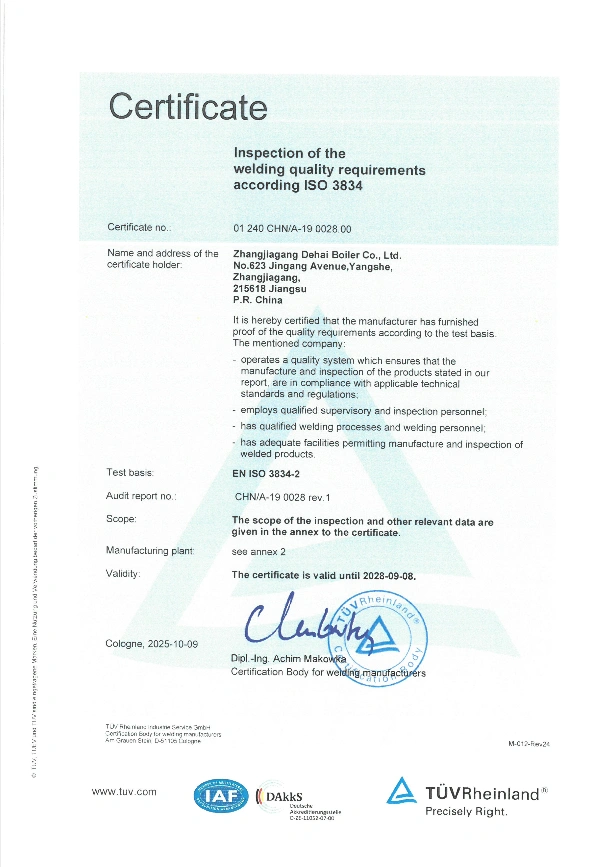
As a dedicated boiler superheater supplier, DHB Boiler integrates engineering capability, certified process control, and strict quality assurance. Our ISO 3834-2 certified welding quality management system ensures traceable, compliant welds. Our large-scale heat-treatment furnace delivers precise thermal control for T91 alloy assemblies. Our inspection team conducts dimensional verification, NDT examinations, hardness testing, and documentation audits to ensure full compliance with international boiler codes.
These capabilities allow DHB Boiler to deliver T91 superheaters that perform reliably in high-temperature, high-pressure boiler systems—where material integrity and process discipline directly determine operational safety.
Conclusion: A T91 Superheater Manufacturer Must Combine Metallurgy, Craftsmanship, and Quality Control
The successful application of T91 steel in boiler superheaters depends on the seamless integration of metallurgical knowledge, precise welding execution, disciplined heat treatment, and continuous operational monitoring. These factors elevate T91 fabrication far beyond standard steel manufacturing, making supplier competence a decisive factor in long-term performance. DHB Boiler leverages advanced equipment, internationally certified welding systems, and comprehensive inspection to ensure every T91 component performs reliably in demanding boiler environments.
By respecting the material boundaries of T91 steel and applying meticulous process control, we enable this advanced alloy to deliver its full value in modern energy systems.
Serving power plants, EPC contractors, and boiler manufacturers worldwide, DHB Boiler offers export-ready T91 superheater assemblies with full documentation.
Reach out now and let our engineering team support your next high-temperature boiler project.
FAQ: Key Questions About T91 Boiler Superheaters and Selecting the Right Supplier
1. What makes T91 a better material choice for boiler superheaters?
T91 offers exceptional creep strength, oxidation resistance, and long-term stability under high-temperature and high-pressure conditions. These performance advantages help operators reduce failure risk, extend boiler lifecycle, and optimize overall operational efficiency.
2. How do I verify whether a T91 superheater supplier is reliable?
A qualified supplier should provide full material traceability, WPS & PQR documents, hardness and microstructure test reports, ISO 3834-2 welding quality certification, and third-party inspection availability. These elements ensure the superheater’s long-term performance and compliance with international standards.
3. Can DHB supply custom-designed T91 superheater coils for my boiler?
Yes. DHB supports customizable designs based on your boiler’s pressure level, temperature profile, load characteristics, material specifications, and drawing requirements. Custom coil geometry, tube pitch, bending radius, headers, and support structure can all be engineered to match your operating conditions.
4. What testing and inspection are performed before delivery?
Every T91 superheater undergoes rigorous NDT and destructive testing, including hydrostatic pressure testing, hardness testing, microstructure verification, PMI, RT/UT, and weld quality checks according to ISO 3834-2. This ensures each component performs reliably in high-temperature boiler environments.
5. How does a T91 superheater help reduce downtime and maintenance costs?
Compared with lower-grade alloy steels, T91 maintains structural integrity for longer periods at elevated temperatures, reducing creep deformation and corrosion. This leads to fewer unplanned outages, longer maintenance intervals, and a significantly lower lifecycle cost.